Introduction
Haryana traditional dress is a vibrant reflection of the culture and lifestyle of the people of Haryana. In simple, active‐voice English, this article explores the clothes of Haryana—known also as Haryana clothes—in depth. Expect short sentences, clear paragraphs, and grammar that meets Yoast SEO standards. Let’s dive in.
1. Overview of Haryana Traditional Dress
Haryana traditional dress is practical and graceful. Men and women wear distinct attire suited to daily life and work. The styles reveal culture, status, and tradition. White stays common for men. Women favor bright, decorative skirts and scarves.
2. Men’s Traditional Attire: Dhoti, Kurta, and Pagri
Dhoti and Kurta
Men in Haryana typically wear a dhoti—a long rectangular cloth wrapped around the waist and legs, tucked at the center. It often comes in white. The kurta or shirt is also worn atop, usually in white. This all‑white look has long signified status in some communities.
Pagri (Turban)
A pagri is a rolled cloth wrapped around the head. Older men still wear this headgear, though modern stitched turbans are now fashioned more like hats.
Footwear and Accessories
Traditional footwear includes jutti—leather or jute shoes that cover only the front half of the foot. In winter, men may drape a light blanket, called a chaddar, over one shoulder.
3. Women’s Traditional Attire: Kurti, Daaman/Ghagra, and Odhni
Kurti (Shirt-like Blouse)
Women wear a long‑sleeved kurti, a cotton blouse similar to a shirt. It is often plain, serving as the top layer.
Daaman or Ghagra (Flared Skirt)
The daaman (Haryanvi ghagra) is a long, flared skirt. It is usually vibrant, with borders or patterns. It allows ease of movement in daily activities.
Odhni or Chunder (Scarf)
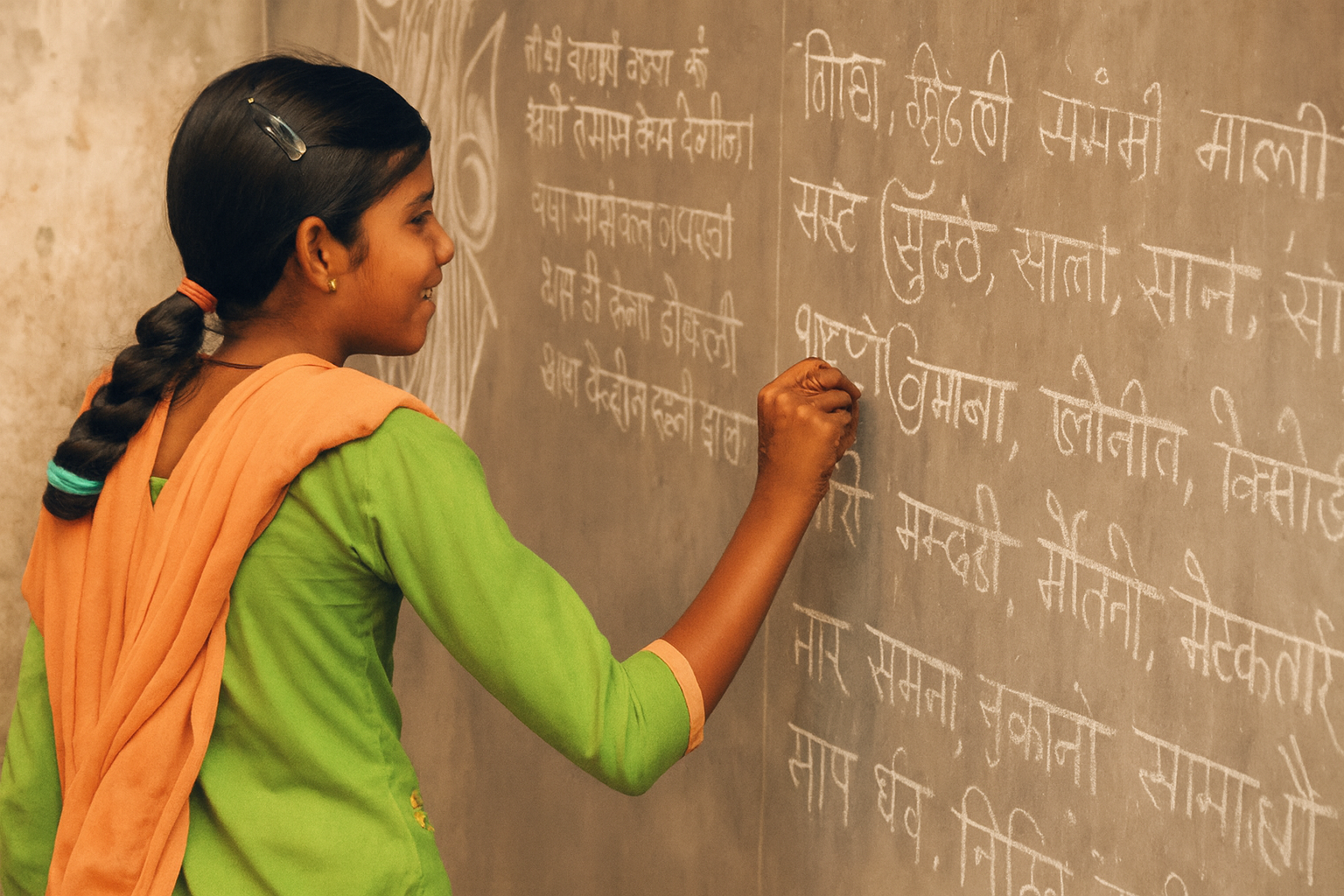
The odhni (also called chunder) is a long, decorative scarf. Women drape it over their head and front waist. It often features colorful borders, motifs, and shiny lace.
Other Varieties
In specific communities, women may wear an angia‐lehenga—a fitted blouse (angia) paired with a straight skirt (lehenga) and an odhni.
Footwear
Women also wear jutti, similar in style to men’s—practical and suited to fieldwork.
4. Cultural Context and Significance
Simplicity and Practicality
Haryana traditional dress reflects the hardworking, rural lifestyle of the region. Clothing is designed for comfort, mobility, and simple elegance.
Color and Identity
Men’s preference for white attire reflects status and tradition. Women, however, embrace bright colors, creating a striking contrast.
Community Variations
Different castes—like Jat, Brahman, Ahir, and Bania—have their own styles of draping and color choices. This shows in subtle differences in how dhotis or ghaghras are worn.
5. Broader Indian Context: Ghagra Choli & Embroidery
Haryana clothing fits within the greater category of ghagra‑choli—a lehenga (skirt) and choli (blouse) ensemble common across Northern India, including Haryana. It may include embroidery styles like phulkari, though Haryana’s version tends to be simpler.
Embroidery Traditions
While phulkari is more associated with Punjab, Haryana also shares this heritage in folk embroidery. Patterns and techniques may overlap in regional craftsmanship.
6. Modern Influence on Haryana Clothes
Ethnic Wear Trends
Modern fashion blends traditional elements with current styles. Women now wear kurtas, kurtis, lehengas, and salwar suits that draw on Haryanvi heritage. Bright embroidery and comfortable fabrics make ethnic wear part of daily life and festive occasions.
Conclusion
Haryana traditional dress blends simplicity, culture, and practicality. Men wear dhoti, kurta, and sometimes pagri, paired with jutti footwear. Women wear kurti, daaman (ghagra), and odhni—bright and colorful, ideal for daily life. Each element shows community identity, regional heritage, and social values. Today, modern ethnic fashion honors this tradition in new styles. Haryana clothes remain a living tradition, woven into the daily and festive lives of its people.
Frequently Asked Questions
1. What is the traditional dress for men in Haryana?
Men typically wear a white dhoti and kurta, often with a pagri (turban). Leather or jute jutti is common footwear.
2. What do women traditionally wear in Haryana?
Women wear a kurti (shirt), daaman or ghagra (flared skirt), and an odhni (decorative scarf). Bright colors and comfortable fabrics are common.
3. What is the significance of the odhni in Haryanvi clothes?
The odhni covers the head and waist and adds color and decoration. It reflects modesty, tradition, and identity.
4. Do Haryana clothes include embroidery like phulkari?
While phulkari embroidery is most associated with Punjab, similar folk embroidery patterns may be found in Haryana. Ghagra‑choli is a regional variation of broader Northern Indian styles.
5. How has Haryana traditional dress changed over time?
Traditional pieces have evolved with fashion trends. Women now wear kurtis, salwar suits, and lehengas with vibrant colors and embroidery inspired by Haryanvi heritage.