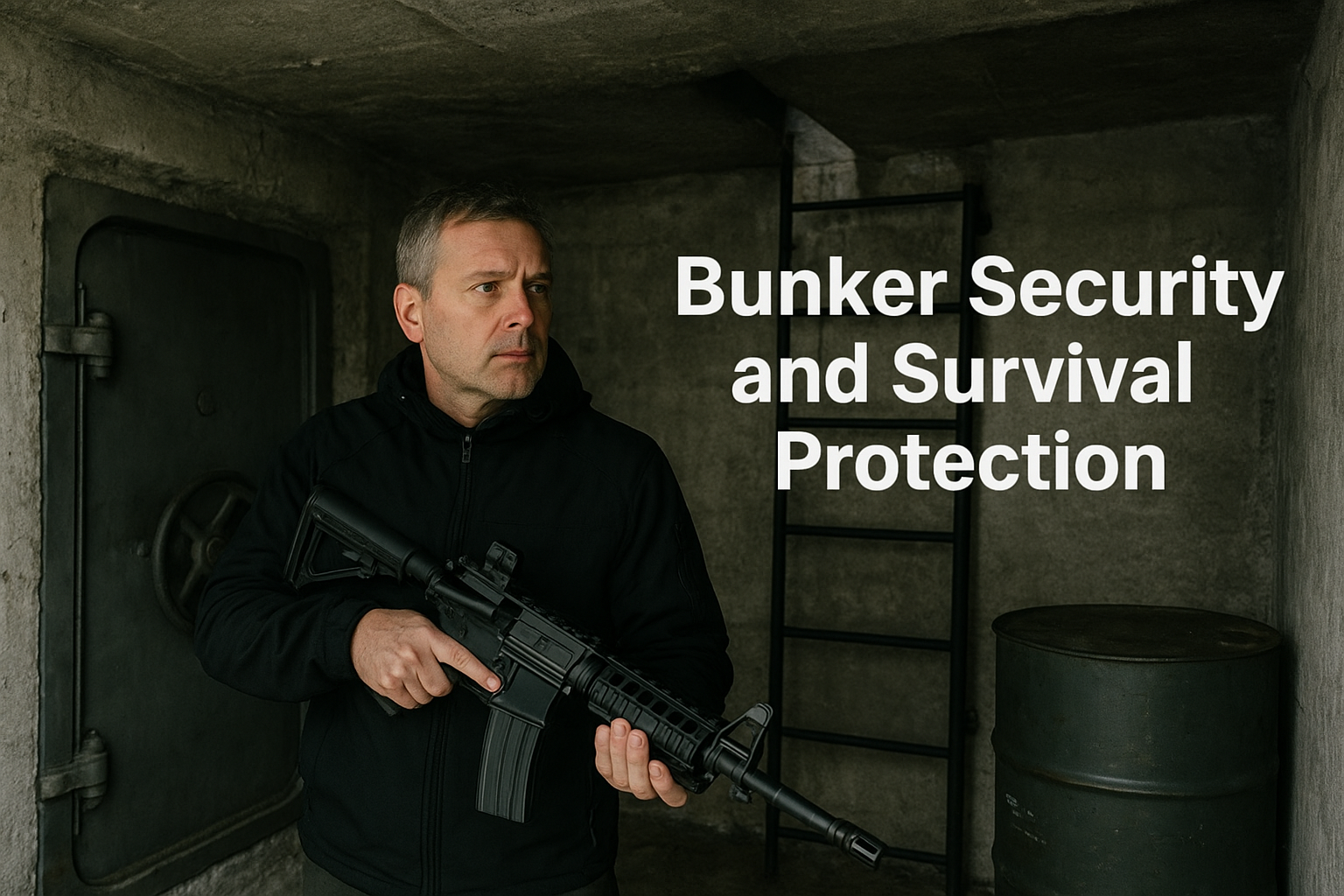
In today’s unpredictable world, the term bunkr fi f nheqaf2r5zplr has gained attention, especially among those interested in bunkers, security, and survival. This article explores what this phrase means in context, focusing on how bunkers provide essential shelter and protection in emergency situations. Whether you are a survivalist or simply curious, understanding these elements is vital.
What is Bunkr fi f nheqaf2r5zplr?
Though the exact phrase bunkr fi f nheqaf2r5zplr appears complex, it relates closely to the concept of a bunker—a secure underground shelter built to protect people from dangers such as natural disasters, war, or other emergencies. The phrase likely symbolizes advanced or coded terminology around bunker security systems.
Designers build bunkers to provide safety and survival opportunities. Their strong construction and strategic design help protect occupants from threats, making them essential for long-term shelter in dangerous times.
Importance of Bunker Security
Security is a key aspect of any bunker. The term bunkr fi f nheqaf2r5zplr underscores the significance of modern security measures in bunkers. Effective bunker security includes:
- Reinforced doors and walls: To resist blasts or forced entry.
- Surveillance systems: Cameras and sensors to monitor external threats.
- Secure ventilation: Prevents harmful gases from entering.
- Access control: Use of codes, biometrics, or keys for entry.
Good security ensures that the shelter remains safe for those inside and deters unwanted access. This focus on protection helps maintain peace of mind during crises.
How Bunkers Serve as Shelter
A bunker’s primary role is to provide shelter. Unlike regular buildings, bunkers are often underground or heavily fortified to withstand extreme conditions. This makes them ideal for:
- Protection from natural disasters such as tornadoes, earthquakes, or floods.
- Defense against man-made threats like chemical attacks or military actions.
- Safe space for long-term survival when the outside world is unsafe.
The design of bunkers often includes essentials like food storage, water supply, and medical kits, making them fully equipped to support life for extended periods.
Survival Benefits of Bunkers
The survival aspect of bunkr fi f nheqaf2r5zplr lies in the ability of a bunker to support life during emergencies. This includes:
- Sustainability: Facilities for growing food or recycling air.
- Isolation: Protection from viruses, pollutants, or radiation.
- Security: Preventing intrusions or attacks.
Bunkers can be lifesaving during situations where external help is unavailable. Planning and preparedness are key to maximizing survival chances.
Protection Features in Modern Bunkers
Modern bunkers incorporate several advanced protection features to enhance safety:
- Blast-resistant materials: Concrete and steel designed to absorb impact.
- Waterproofing: To avoid flooding or water damage.
- Fire suppression systems: Automatic sprinklers or gas systems.
- Emergency communication: Satellite phones or radios for contact.
These protections ensure that occupants remain safe and connected, even in dire situations.
Building and Maintaining Your Bunker
Building a bunker requires careful planning and expertise. Important considerations include:
- Location: Choose an area safe from flooding and geological risks.
- Materials: Use durable, tested materials for walls and doors.
- Ventilation: Ensure fresh air circulation without exposing to external threats.
- Stocking essentials: Food, water, medical supplies, and tools.
Regular maintenance is crucial to keep the bunker functional and ready at all times. This includes checking security systems, cleaning, and replenishing supplies.
Why Choose a Bunker Over Other Shelters?
Compared to standard shelters or safe rooms, bunkers provide superior security and protection. They are built to withstand far more intense situations. This makes them ideal for:
- Long-term survival in case of disasters.
- Protection during war or civil unrest.
- Safe spaces in remote or dangerous environments.
Though costlier and more complex, bunkers offer peace of mind unmatched by simpler shelters.
Bunkers in Popular Culture and History
The concept of bunkers is well-established historically and culturally. From World War II military bunkers to modern survivalist bunkers, they have played critical roles in:
- Protecting soldiers during conflicts.
- Sheltering civilians during air raids or natural disasters.
- Inspiring films, books, and media on survival.
Understanding this history adds perspective to why bunkr fi f nheqaf2r5zplr and bunkers remain relevant today.
Conclusion
The phrase bunkr fi f nheqaf2r5zplr highlights the growing importance of bunkers in providing security, shelter, and protection. These underground structures offer vital survival benefits in emergencies, supported by strong security and modern protective features. Whether you are considering building one or simply want to learn, understanding bunkers is key to being prepared.
Frequently Asked Questions (FAQs)
1. What does bunkr fi f nheqaf2r5zplr mean?
It relates to bunkers and advanced security concepts, emphasizing protection and survival.
2. How secure are bunkers against natural disasters?
Bunkers are designed with strong materials and systems to withstand earthquakes, floods, and storms.
3. Can bunkers be used for long-term survival?
Yes, many bunkers are equipped with supplies and systems to support long-term habitation.
4. What are the key features of a modern bunker?
Reinforced walls, secure ventilation, surveillance, and emergency communication.
5. How often should a bunker be maintained?
Regular checks every few months are recommended to ensure all systems function properly.
For More Visit: JPost.com.in