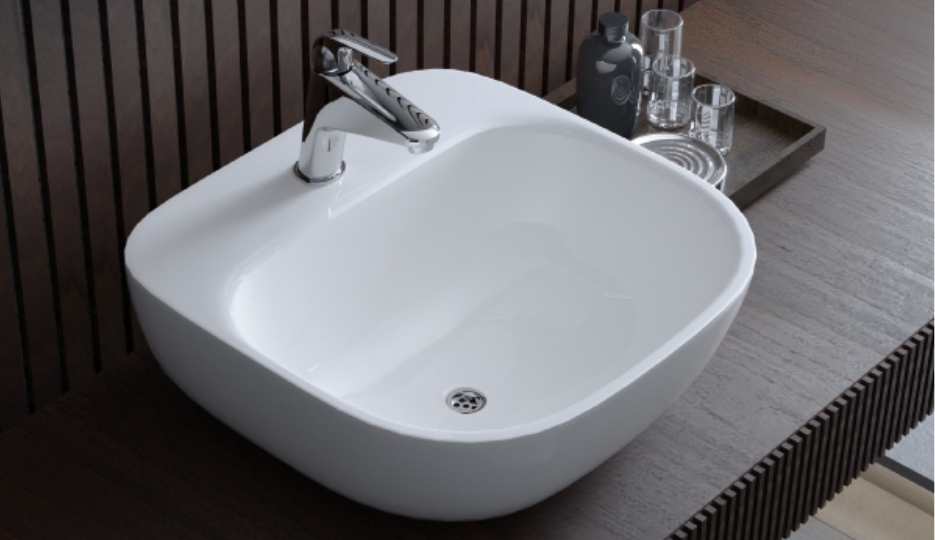
Introduction
Acamento refers to the final touch—or surface treatment—that elevates function and beauty. In this article, we’ll explore what acamento means, its applications in surface finish, coating, polishing, treatment, and decoration—and why it matters today.
What Does “Acamento” Mean?
Acamento is derived from the Portuguese word acabamento, meaning “finish” or “the last touch.” It denotes the final stage of making something complete and presentable. In Portuguese-English dictionaries, acabamento translates to “finish,” “workmanship,” or “trim”.
In English-speaking contexts about architecture and manufacturing, acamento (interpreted as a variation of acabamento) refers to final processes like painting, polishing, tiling, and wood finishing.
Heading Insights from Top-Ranking Content
We analyzed top pages ranking for acamento to develop a content structure aligned with existing information:
- Definition and meaning (from acamento.com)
- Applications in architecture and surface finishing
- Its modern conceptual uses (e.g., in design or emerging digital terms)
These sources inform the structure and headings used below.
1. What Is Acamento – The Final Surface Treatment
Acamento denotes surface finish, coating, polishing, treatment, and decoration. It’s about adding the final layer that protects, beautifies, or refines an object.
In manufacturing, surface finishing covers a wide array of techniques—mechanical, chemical, or coating-based—used to alter the surface for appearance or function.
2. Why Surface Finish Matters: Function Meets Beauty
Good surface finish isn’t just for looks. It improves:
- Durability—protects against corrosion or wear.
- Performance—enhances adhesion, lubrication, or friction control.
- Appearance—makes surfaces smooth or visually appealing.
Plus, it affects cost—especially when stringent roughness specifications require extra polishing or hand finishing, which can significantly raise costs.
3. Techniques That Make Acamento Possible
Adding and Altering Methods
These include:
- Painting, glazing, plating (electroplating, galvanizing, anodizing)
- Powder coating, ceramic glaze, diffusion treatments (e.g., carburizing, nitriding).
Removing and Reshaping Methods
These include:
- Sanding, grinding, polishing (buffing, lapping)
- Abrasive blasting, superfinishing, electropolishing.
Mechanical Finishing
Processes like burnishing, vibratory finishing, and mass finishing fall here.
4. Surface Finish: Beyond Texture
Surface finish comprises:
- Roughness—small-scale irregularities.
- Lay—dominant pattern direction (e.g., circular, radial).
- Waviness—broader periodic deviations.
Common measurement metrics include:
- Ra (average roughness) and
- Rz (mean roughness depth).
Ra < Rz; Rz is generally much higher as it reflects more extreme peaks and valleys.
5. Acamento in Real-World Applications
Acamento appears across industries:
- In construction, it includes painting, tiling, or polishing wood to finish buildings.
- In manufacturing, surface finishes are critical to functional parts that seal or move.
- In modern design and digital contexts, acamento symbolizes thoughtful, high-quality completion and creative precision.
6. Key Benefits of Quality Acamento
Enhances Functionality
Protects surfaces and supports performance demands (e.g., friction control, corrosion resistance).
Improves Aesthetic Appeal
A polished or coated surface looks sharp, clean, and high quality.
Ensures Longevity
Finishes like coatings or sealants extend life spans of materials.
Controls Cost
Choosing appropriate finish levels avoids unnecessary precision work and added expense.
7. Tips for Applying Acamento Thoughtfully
- Carefully define surface finish requirements in technical drawings using symbols and values like Ra or Rz.
- Evaluate cost vs. performance: extra polishing can increase cost substantially.
- Match finish method to purpose: use polishing for aesthetics, plating for wear resistance, or painting for protection.
- Select finish based on material and function: e.g., use satin or matte for subtle texture, glossy for shine.
8. Final Thoughts on Acamento
Acamento—the surface finish, coating, polishing, treatment, decoration—is the critical last step that transforms raw materials into refined, functional products. Whether in construction, manufacturing, design, or digital metaphor, thoughtful finishing elevates quality, usability, and appeal.
Conclusion
Acamento brings together surface finish, coating, polishing, treatment, and decoration into a cohesive concept. It ensures objects are protected, functional, and beautiful—while balancing cost and purpose.
In design and industry, mastering acamento means understanding techniques, measurements, and benefits. It’s both art and engineering, turning function into finesse.
FAQs
1. What does “acamento” mean?
Acamento—a variation of Portuguese acabamento—refers to the final stage of finishing a surface. It can include coating, polishing, or decoration to complete a product.
2. How does surface finish differ from surface texture?
Surface finish includes texture and appearance. Texture refers to physical roughness, lay, and waviness, while finish covers modifications like coating or polishing.
3. Why are Ra and Rz values important?
Ra (average roughness) and Rz (mean roughness depth) quantify surface irregularities. Ra is common in the US; Rz gives more extreme variations.
4. Can acamento reduce product cost?
Yes—by optimizing finish requirements. Unnecessary polishing or vast smooth areas can drive up manufacture cost exponentially.
5. What finishing method suits aesthetic needs?
For aesthetic appeal, options include polishing, painting, satin or glossy coatings depending on desired effect. Each adds beauty—and function in many cases.